Top Vision Care Tips for Seniors: Maintaining Healthy Eyes
Have questions about your Medicare options?
As we age, maintaining our vision becomes increasingly important. Healthy eyes are essential for enjoying life to the fullest, from reading a favorite book to safely driving and engaging in hobbies. Seniors, in particular, need to be proactive about eye health to prevent common issues such as macular degeneration, glaucoma, and cataracts. In this comprehensive guide, we'll explore the top vision care tips for seniors, offering practical advice and strategies to keep your eyes healthy and sharp.
1. Schedule Regular Eye ExamsOne of the most crucial steps in maintaining healthy vision is scheduling regular eye exams. Regular check-ups with an eye care professional can help detect issues early, often before symptoms appear. For seniors, it's recommended to have an eye exam at least once a year or as advised by your eye doctor. These exams can identify common age-related eye conditions such as:
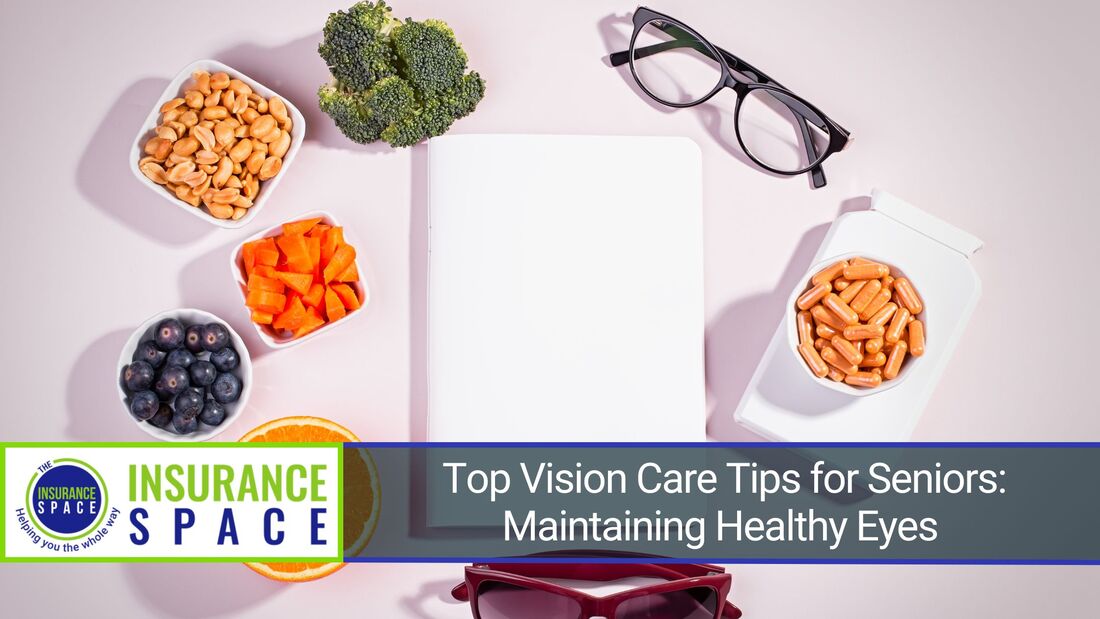
2. Eat a Vision-Boosting DietWhat you eat can significantly impact your eye health. A diet rich in vitamins and minerals can help protect your eyes from age-related damage. Key nutrients for maintaining healthy eyes include:
3. Protect Your Eyes from UV RaysExposure to ultraviolet (UV) rays from the sun can increase the risk of cataracts and macular degeneration. To protect your eyes:
4. Manage Chronic Health ConditionsChronic health conditions like diabetes and high blood pressure can have a significant impact on eye health. Here’s how to manage these conditions to protect your vision:
5. Maintain a Healthy LifestyleA healthy lifestyle contributes to overall well-being and eye health. Here are some lifestyle tips to support your vision:
6. Be Aware of Eye StrainWith the increase in screen time due to computers, tablets, and smartphones, eye strain has become a common issue. To reduce digital eye strain:
7. Consider Vision Aids and TreatmentsAs you age, you may find that you need additional help with vision correction. There are various aids and treatments available:
8. Educate Yourself and Seek SupportUnderstanding more about eye health and staying informed about new advancements can empower you to take control of your vision care. Consider:
ConclusionMaintaining healthy eyes as you age involves a combination of regular check-ups, a nutritious diet, lifestyle choices, and awareness of eye health. By incorporating these top vision care tips into your daily routine, you can help preserve your vision and enjoy a higher quality of life. Remember, proactive care and education are key to keeping your eyes in top shape.
For more personalized guidance and to learn about your Medicare vision benefits, don’t miss our free online webinar. Join us at www.simplemedicareclass.com to get expert advice and answers to your questions about vision care. Taking these steps today will pave the way for healthier eyes and a brighter future.
If you have any questions or need assistance, feel free to contact us. We’re here to help you navigate your Medicare options and ensure you receive the best care possible.
1. Schedule Regular Eye ExamsOne of the most crucial steps in maintaining healthy vision is scheduling regular eye exams. Regular check-ups with an eye care professional can help detect issues early, often before symptoms appear. For seniors, it's recommended to have an eye exam at least once a year or as advised by your eye doctor. These exams can identify common age-related eye conditions such as:
- Cataracts: Clouding of the eye's lens that can blur vision.
- Glaucoma: Increased pressure in the eye that can damage the optic nerve.
- Macular Degeneration: Deterioration of the central part of the retina, affecting sharp vision.
2. Eat a Vision-Boosting DietWhat you eat can significantly impact your eye health. A diet rich in vitamins and minerals can help protect your eyes from age-related damage. Key nutrients for maintaining healthy eyes include:
- Vitamin A: Essential for good vision and immune function. Found in foods like carrots, sweet potatoes, and spinach.
- Lutein and Zeaxanthin: Antioxidants that help protect against macular degeneration. Found in green leafy vegetables like kale and collard greens.
- Omega-3 Fatty Acids: Important for maintaining the health of the retina. Found in fish such as salmon, trout, and sardines.
- Vitamin C and E: These vitamins have antioxidant properties that protect against oxidative damage. Found in citrus fruits, nuts, and seeds.
3. Protect Your Eyes from UV RaysExposure to ultraviolet (UV) rays from the sun can increase the risk of cataracts and macular degeneration. To protect your eyes:
- Wear Sunglasses: Choose sunglasses that block 100% of UVA and UVB rays. Polarized lenses can reduce glare and provide additional comfort.
- Use a Hat: A wide-brimmed hat can provide extra protection from the sun’s rays, especially when you’re outdoors for extended periods.
4. Manage Chronic Health ConditionsChronic health conditions like diabetes and high blood pressure can have a significant impact on eye health. Here’s how to manage these conditions to protect your vision:
- Diabetes: Diabetes can lead to diabetic retinopathy, a condition that affects the blood vessels in the retina. Control blood sugar levels through diet, exercise, and medication, and have regular eye exams to monitor for any changes.
- High Blood Pressure: Hypertension can damage the blood vessels in the eyes. Monitor your blood pressure regularly and follow your doctor’s recommendations for managing it.
5. Maintain a Healthy LifestyleA healthy lifestyle contributes to overall well-being and eye health. Here are some lifestyle tips to support your vision:
- Stay Active: Regular physical activity improves blood circulation, which benefits the eyes. Aim for at least 150 minutes of moderate-intensity exercise each week.
- Avoid Smoking: Smoking is a major risk factor for several eye diseases, including macular degeneration and cataracts. If you smoke, seek resources to help you quit.
- Stay Hydrated: Drinking plenty of water helps maintain moisture in your eyes and prevent dryness.
6. Be Aware of Eye StrainWith the increase in screen time due to computers, tablets, and smartphones, eye strain has become a common issue. To reduce digital eye strain:
- Follow the 20-20-20 Rule: Every 20 minutes, take a 20-second break and look at something 20 feet away.
- Adjust Screen Settings: Ensure your screen is properly lit and adjust text size and contrast for comfort.
- Use Proper Lighting: Avoid glare by using appropriate lighting and positioning your screen to minimize reflections.
7. Consider Vision Aids and TreatmentsAs you age, you may find that you need additional help with vision correction. There are various aids and treatments available:
- Eyeglasses and Contact Lenses: Regularly update your prescription to ensure clear vision. If you experience changes in your vision, consult with your eye doctor.
- Low Vision Aids: Devices such as magnifiers, special reading glasses, and high-contrast materials can assist with daily tasks if you have significant vision loss.
- Medical Treatments: If you’re diagnosed with an eye condition, follow your doctor’s recommendations for treatment, which may include medication or surgery.
8. Educate Yourself and Seek SupportUnderstanding more about eye health and staying informed about new advancements can empower you to take control of your vision care. Consider:
- Joining Support Groups: Connecting with others who have similar eye conditions can provide valuable support and information.
- Attending Educational Webinars: Participating in educational sessions can help you learn more about managing eye health and navigating Medicare benefits.
ConclusionMaintaining healthy eyes as you age involves a combination of regular check-ups, a nutritious diet, lifestyle choices, and awareness of eye health. By incorporating these top vision care tips into your daily routine, you can help preserve your vision and enjoy a higher quality of life. Remember, proactive care and education are key to keeping your eyes in top shape.
For more personalized guidance and to learn about your Medicare vision benefits, don’t miss our free online webinar. Join us at www.simplemedicareclass.com to get expert advice and answers to your questions about vision care. Taking these steps today will pave the way for healthier eyes and a brighter future.
If you have any questions or need assistance, feel free to contact us. We’re here to help you navigate your Medicare options and ensure you receive the best care possible.