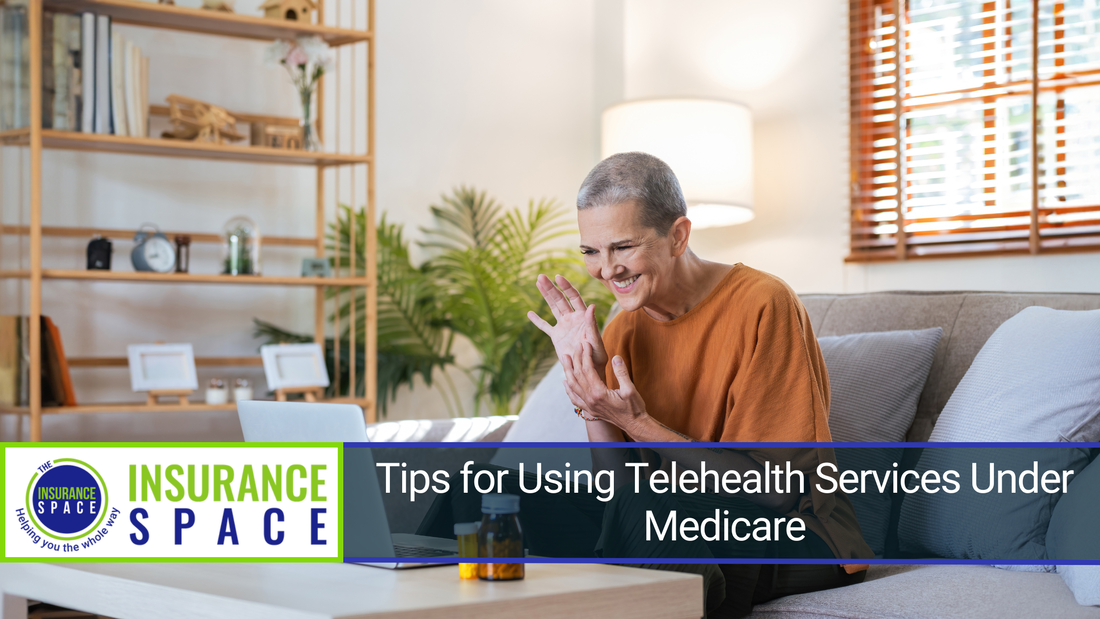
Telehealth Services for Seniors: How to Use Technology for Healthcare
Have questions about your Medicare options?

In recent years, telehealth has transformed the way seniors access healthcare, making it more convenient and accessible than ever before. For older adults, embracing technology can significantly enhance their healthcare experience. This blog will explore the benefits of telehealth for seniors and provide practical tips on how to effectively use these services.
What is Telehealth?Telehealth refers to the delivery of healthcare services through digital communication technologies. This can include video consultations, remote monitoring, and mobile health applications. Telehealth allows seniors to connect with healthcare providers from the comfort of their homes, which can be particularly beneficial for those with mobility issues or chronic conditions.
The Benefits of Telehealth for Seniors
If you’d like to learn more about how to utilize telehealth for your healthcare needs, consider joining our free online webinar at www.simplemedicareclass.com. For personalized assistance or questions, feel free to call us at +1 866-717-8683.
What is Telehealth?Telehealth refers to the delivery of healthcare services through digital communication technologies. This can include video consultations, remote monitoring, and mobile health applications. Telehealth allows seniors to connect with healthcare providers from the comfort of their homes, which can be particularly beneficial for those with mobility issues or chronic conditions.
The Benefits of Telehealth for Seniors
- Convenience: Telehealth eliminates the need for travel, making it easier for seniors to attend appointments. This is especially helpful for those living in rural areas or with limited transportation options.
- Increased Access: Seniors can access specialists and healthcare providers who may not be available in their local area. This expands their options for receiving care and managing specific health issues.
- Cost-Effectiveness: Telehealth can reduce costs associated with in-person visits, such as transportation and time off work for caregivers. Many telehealth services are covered by Medicare, making them a financially viable option.
- Improved Health Monitoring: With remote monitoring technologies, healthcare providers can track patients’ vital signs and health metrics in real time. This allows for timely interventions and better management of chronic conditions.
- Enhanced Communication: Telehealth fosters better communication between seniors and their healthcare providers. Regular check-ins can improve health outcomes and ensure that any concerns are addressed promptly.
- Specialties Available: Make sure the provider offers services relevant to your health concerns.
- Technology Requirements: Confirm that the platform is user-friendly and compatible with your devices.
- Insurance Coverage: Check if the service is covered by Medicare or other insurance plans.
- Device Selection: A smartphone, tablet, or computer can be used for telehealth appointments. Choose a device that you are comfortable using.
- Internet Connection: Ensure you have a reliable internet connection. If possible, connect to Wi-Fi for better video quality.
- Download Necessary Apps: Many telehealth services require specific applications. Download these ahead of your appointment and familiarize yourself with their features.
- Gather Health Information: Have a list of your current medications, medical history, and any symptoms you want to discuss ready for your provider.
- Create a Comfortable Environment: Choose a quiet, well-lit space for your appointment where you can speak freely and without distractions.
- Test Your Technology: Conduct a test call if possible, to ensure your camera and microphone are working properly.
- Communicate Clearly: Speak clearly and ensure your provider can hear you well. Don’t hesitate to ask questions if you don’t understand something.
- Follow Up on Next Steps: Discuss any treatment plans, prescriptions, or follow-up appointments. Take notes if necessary to remember key information.
- Implement Recommendations: Follow any advice or treatment plans discussed with your healthcare provider.
- Schedule Follow-Up Appointments: If necessary, schedule your next telehealth visit to ensure continuity of care.
- Evaluate Your Experience: Reflect on the appointment and consider how you can improve your experience for future visits.
- Technology Anxiety: Many older adults may feel intimidated by technology. It can help to practice using your device and apps before your appointment.
- Limited Internet Access: If you struggle with internet access, consider local resources that may offer free or low-cost internet services.
- Health Literacy: Some seniors may find medical jargon confusing. Don’t hesitate to ask your provider to explain terms in simpler language.
- Local Community Centers: Many offer classes or workshops on using technology and telehealth services.
- Support Hotlines: If you encounter issues, don’t hesitate to call tech support or your healthcare provider for assistance.
- Family and Caregivers: Engage family members or caregivers for help with technology. They can provide guidance and support during appointments.
If you’d like to learn more about how to utilize telehealth for your healthcare needs, consider joining our free online webinar at www.simplemedicareclass.com. For personalized assistance or questions, feel free to call us at +1 866-717-8683.