Regular Dental Checkups Are Crucial for Seniors
Have questions about your Medicare options?
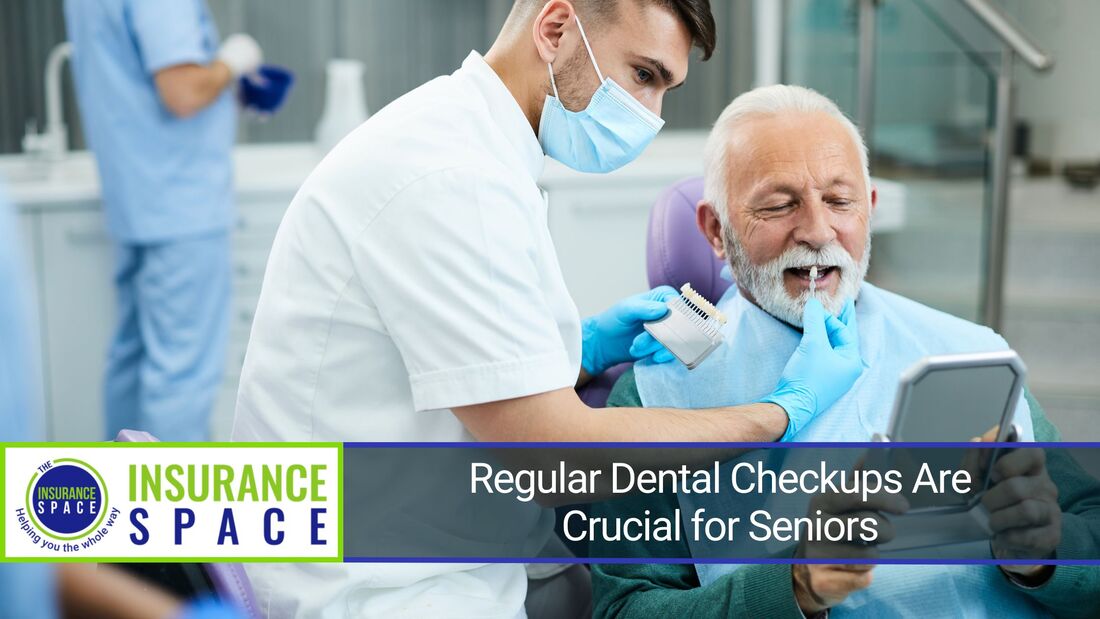
As we age, maintaining our overall health becomes increasingly important, and dental care plays a crucial role in that process. Regular dental checkups are not just about keeping your smile bright - they are essential for safeguarding your health and quality of life in your senior years. Here’s why regular dental visits should be a cornerstone of your health routine and how they can impact your overall well-being.
1. Early Detection of Health IssuesRegular dental checkups provide an opportunity for early detection of oral health issues that could signal broader health problems. For seniors, this is especially important due to the increased risk of:
In our webinar, you'll gain valuable insights into:
Regular dental checkups are more than just routine appointments - they are a critical component of your overall health care strategy. By staying proactive with your dental visits, you can prevent serious health issues, maintain your quality of life, and enjoy peace of mind knowing you’re taking good care of your oral health. For personalized advice and guidance, join our free webinar and get the support you need to make the most of your dental care in retirement.
1. Early Detection of Health IssuesRegular dental checkups provide an opportunity for early detection of oral health issues that could signal broader health problems. For seniors, this is especially important due to the increased risk of:
- Oral Cancer: Dentists are trained to spot early signs of oral cancer during routine exams. Early detection can significantly improve treatment outcomes and survival rates.
- Diabetes: Gum disease and other oral health issues can sometimes be indicators of diabetes or uncontrolled blood sugar levels. Regular checkups can help identify these signs early, allowing for prompt management.
- Heart Disease: There is a well-established link between periodontal disease and heart disease. By managing gum health, you may help reduce your risk of cardiovascular issues.
- Clean and Polish Teeth: Professional cleanings remove plaque and tartar that regular brushing and flossing might miss. This helps prevent cavities and gum disease.
- Identify and Treat Early Issues: Dentists can spot early signs of decay or gum disease before they become more serious problems, potentially saving you from painful and costly treatments down the road.
- Monitor Existing Conditions: If you have existing dental issues like fillings or crowns, your dentist will monitor these to ensure they remain in good condition.
- Ensure Proper Cleaning Techniques: Your dentist or dental hygienist can provide guidance on effective brushing and flossing techniques tailored to your needs, helping you maintain optimal oral health between visits.
- Update Oral Care Recommendations: As you age, your oral care needs may change. Regular visits allow your dental team to adjust your care plan to address new challenges or conditions.
- Address Changes in Oral Health: Aging can bring changes like dry mouth or changes in the alignment of your teeth. Regular checkups ensure these changes are managed appropriately.
- Comfort and Function: Addressing dental issues promptly helps prevent pain and discomfort, ensuring you can eat, speak, and enjoy life without oral health hindrances.
- Confidence: A healthy smile can boost your self-esteem and confidence, which is important for social interactions and overall well-being.
- Diet and Nutrition: Maintaining oral health allows you to eat a balanced diet without restrictions due to dental pain or discomfort, supporting better nutrition and overall health.
- Medications: Certain medications can cause dry mouth or other oral health issues. Your dentist can offer solutions to manage these side effects and maintain oral health.
- Medical Conditions: Chronic conditions like arthritis can affect your ability to maintain oral hygiene. Regular dental visits help address issues related to these conditions and adapt your care as needed.
- Periodontics: Specialized care for gum diseases is crucial, especially if you have advanced periodontal disease. Regular checkups ensure you receive the necessary treatment and management.
- Prosthodontics: If you need dentures or dental implants, regular visits are essential for ensuring proper fit, function, and adjustment of these devices.
- Oral Surgery: In cases requiring oral surgery, such as extractions or complex procedures, your dentist can provide referrals to specialists and manage your care throughout the process.
- Medicare Advantage Plans: Some Medicare Advantage plans offer dental coverage, including routine checkups. Review plan options to find one that fits your needs.
- Dental Discount Plans: These plans provide discounts on dental services through participating providers and can be an affordable option for regular care.
- Senior Dental Insurance: Look into dental insurance plans designed for seniors that cover routine checkups and preventive care.
- Schedule Regular Appointments: Aim for at least one visit every six months, or as recommended by your dentist. Consistency is key to maintaining oral health.
- Prepare for Your Visit: Keep track of any changes in your oral health or new symptoms, and communicate these to your dentist during your appointment.
- Follow Up on Recommendations: If your dentist recommends additional treatments or follow-up visits, make sure to adhere to these recommendations to maintain optimal oral health.
In our webinar, you'll gain valuable insights into:
- The role of regular dental checkups in maintaining your overall health
- How to navigate Medicare and other insurance options for dental care
- Tips for managing your oral health effectively as you age
Regular dental checkups are more than just routine appointments - they are a critical component of your overall health care strategy. By staying proactive with your dental visits, you can prevent serious health issues, maintain your quality of life, and enjoy peace of mind knowing you’re taking good care of your oral health. For personalized advice and guidance, join our free webinar and get the support you need to make the most of your dental care in retirement.